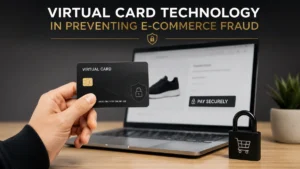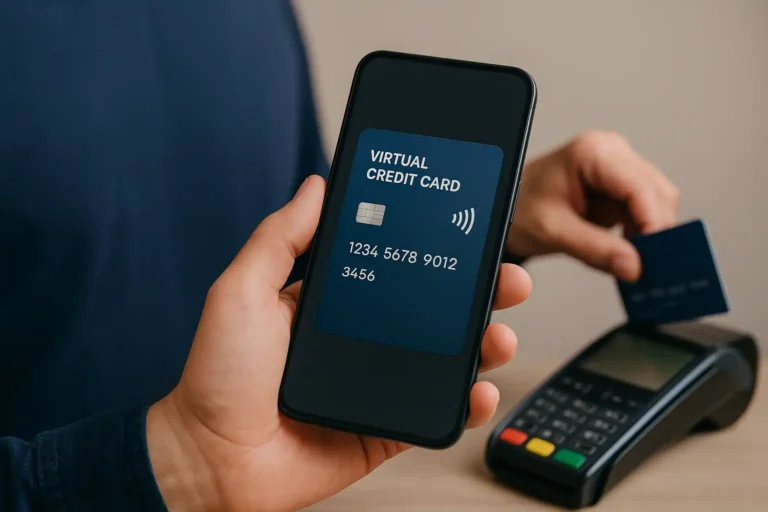
Virtual credit cards are emerging as a revolutionary tool in the financial world, particularly in the U.S., due to their promise of enhanced security and unparalleled convenience. In an age where cyber threats loom large, these digital cards offer users a protective shield against unauthorized transactions. But are they merely a trendy convenience, or do they fundamentally alter the landscape of financial security?
Understanding the nuances between enhanced security and sheer convenience is crucial for potential users. While convenience is an attractive feature, especially for those who often shop online, the real draw lies in the robust security measures that come baked into virtual credit cards. As more Americans turn to digital wallets, the demand and relevance for virtual credit cards are only expected to rise.
Enhanced security features

Virtual credit cards bring to the table a level of security that traditional plastic cards struggle to match. Unlike physical cards, these digital counterparts offer unique card numbers for each transaction, adding an extra layer of protection against fraud. Users can set spending limits and expiration dates, making them a defensive asset in an era of data breaches and hacked accounts.
While they are not entirely immune to deception, virtual cards considerably reduce the risk of exposure. By generating a new, temporary card number for each purchase, they help keep the user’s real account information hidden from potential threats. This simple yet effective feature is what gives virtual cards a security edge over traditional methods.
The convenience factor
While security is a primary driver, the convenience offered by virtual credit cards cannot be ignored. These cards are incredibly easy to set up and use for online purchases. Most financial institutions offer seamless integration into existing mobile apps, allowing users to manage their expenditures with a click.
Adding to their appeal is their immediate availability and ease of use, cutting out the time and process card acquisition usually demands. With virtual cards, you can instantly obtain and use a card, ideal for those impromptu shopping sprees or sudden business needs. The combination of security and convenience makes them an alluring choice for the tech-savvy consumer.
Practical applications
Implementing virtual credit cards efficiently involves understanding their functionality within real-world scenarios. For travelers, these cards provide peace of mind by shielding the main account from foreign transaction fees and potential breaches. Parents can also use virtual cards as a budget tool, enabling control over children’s spending without relinquishing card security.
The professional world also benefits significantly; businesses can use virtual credit cards for better expense management and fraud protection. By issuing a card specifically for each transaction, they gain complete control over spending limits and audit trails, streamlining their financial operations.
The road ahead
The future of virtual credit cards in the U.S. seems promising, with more individuals and businesses recognizing their value. As technology evolves, we can expect these cards to integrate more advanced features, enhancing user experience while maintaining robust security measures. They stand poised to redefine payment systems globally.
For now, virtual credit cards represent a significant leap in securing financial transactions while ensuring user-friendly convenience. As awareness and adoption increase, they will likely play a pivotal role in shaping the future of personal and business finance in the digital age. The synergy of security and convenience they offer is unprecedented, marking them as more than just a fleeting trend.