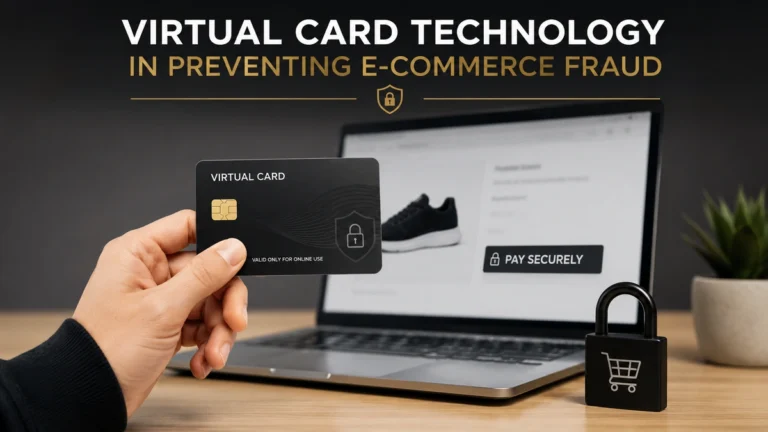
In an age where digital transactions dominate our daily lives, securing online purchases has become crucial. Virtual card technology is emerging as a game-changer in preventing fraudulent activities associated with credit card misuse in e-commerce.
This innovative solution offers enhanced security features that make it difficult for cybercriminals to access sensitive information, providing peace of mind to consumers and businesses alike. By leveraging temporary card numbers and unique identifiers, virtual payment methods are designed to protect the user’s actual account data, reducing the risk of unauthorized transactions and identity theft in the digital shopping world.
How virtual card technology enhances security
Virtual cards, also known as temporary or disposable cards, bring a new level of security to online transactions. Unlike traditional physical cards, these are designed to be used for a short period, often associated with a single transaction. This means even if a cybercriminal gets hold of a virtual card number, it isn’t useful beyond its intended scope.
Virtual cards operate by masking the actual credit card information, thus preventing the exposure of genuine card details on the internet. This mechanism significantly curtails the potential for fraudulent usage, offering retailers and consumers a more secure shopping experience.
The technology behind virtual cards involves generating a unique card number for every transaction. Usually linked to a primary account, these numbers are designed to expire after use or within a set duration. This variability inhibits fraud attempts, as captured card details are generally non-reusable.
Additionally, users can set spending limits and expiration dates for each transaction, providing further protection against unauthorized charges. By harnessing adaptable digital technology, virtual cards shield consumers from the ever-evolving tactics of cybercriminals, ensuring sensitive financial information remains confidential.
Advantages of adopting virtual cards for merchants and consumers
For merchants, accepting virtual cards can reduce instances of fraudulent chargebacks—a common issue where customers dispute transactions, claiming they were unauthorized. By facilitating secure transactions via virtual cards, businesses can not only enhance customer trust but also safeguard themselves from significant financial losses.
Moreover, virtual cards can streamline the reconciliation process, as payments tend to be more transparent and traceable, reducing the administrative burden on retailers.
Consumers, on the other hand, appreciate the peace of mind that comes with using virtual cards. The ability to customize card settings tailor each transaction to personal security preferences. Whether setting monthly spending limits or scheduling a card’s expiration, customers have greater control over their financial activities.
This flexibility, combined with robust fraud protection features, enables a frictionless online shopping experience. As digital advancements progress, embracing virtual card technology seems to be a compelling choice for both sellers and buyers.
How virtual cards fit into the broader e-commerce ecosystem
Adoption of virtual cards plays a pivotal role in the broader context of e-commerce security. As online shopping trends continue to surge, so do the methods employed by hackers to exploit vulnerabilities. Virtual cards align with various cybersecurity technologies to create an impenetrable defense against fraud.
Integrating seamlessly into existing payment infrastructures, these cards work alongside encryption protocols and secure socket layers (SSLs) to offer a multi-layered defense strategy.
The role of virtual cards extends beyond consumer protection, empowering e-commerce platforms to strengthen their security frameworks without compromising on user experience. By providing a secure payment option, these platforms can assuage buyers’ fears and reduce the friction often associated with online payments.
Furthermore, as regulatory bodies heighten their scrutiny of financial practices, virtual card technology assists in ensuring compliance with data protection standards, thus fostering a trustworthy digital commerce environment.
Emerging trends and future possibilities
The usage of virtual cards is poised to expand as technological advancements shape the future of financial transactions. Innovations such as biometric authentication and tokenization are merging with virtual card systems to form even more secure ecosystems.
Biometric data, like fingerprints or facial recognition, adds an additional layer of authentication, while tokenization replaces sensitive data with unique identifiers, further mitigating risk.
Looking forward, we can anticipate advances in artificial intelligence and machine learning to bolster fraud detection methods, providing real-time analytics and predictive models to identify suspicious activities. These developments aim to enhance the capabilities of virtual cards, making them an even more powerful tool in the fight against online fraud.
As the digital landscape continues to evolve, embracing these innovations will be vital for maintaining secure, efficient financial transactions worldwide.
Conclusion on the impact of virtual card technology
In conclusion, virtual card technology is proving to be an essential weapon in combating e-commerce fraud. By masking real credit card details and offering enhanced security protocols, these digital tools provide an effective method for mitigating risks associated with online purchases.
For both consumers and businesses, the adoption of virtual cards means more secure, customizable, and streamlined transactions, ultimately leading to a safer digital marketplace.
As technology continues to evolve, the influence of virtual cards is likely to increase, setting a new standard for secure e-commerce practices. Innovative integrations with emerging technologies will only enhance their effectiveness in preventing fraud.
For those navigating the complexities of online shopping, embracing virtual card technology represents a proactive step toward ensuring digital security and customer trust in the years to come.