
Maintaining a healthy credit score is vital for financial well-being in the United States. A robust credit rating can enhance your ability to secure loans, lower interest rates, and open up a range of financial opportunities. In this guide, we will provide comprehensive strategies that will help you improve your credit score and secure your financial future.
Often overlooked, your credit score influences many aspects of your financial life. It’s essential to understand how this crucial number is calculated and what steps you can take to elevate it. Let’s dive into the details and pave the way for a higher credit rating.
Understanding how credit scores work
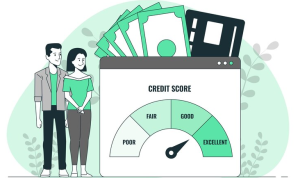
Before you can improve your credit, you need to understand how your credit score is calculated. The three major credit bureaus in the USA—Equifax, Experian, and TransUnion—use various models to determine your score, but they typically rely on similar factors. Your payment history, the amount you owe, the length of your credit history, new credit inquiries, and the types of credit in use all contribute to your overall score.
Each factor has a different weight. Payment history usually carries the most significant weight, followed by amounts owed. Keeping track of these variables is crucial for maintaining a high score. Understanding these can demystify the process and present a clearer path to a higher score.
Checking your credit report
One of the first steps to improving your credit score is to check your credit report regularly. The Fair Credit Reporting Act entitles you to a free credit report from each of the three major credit bureaus every twelve months.
Reviewing your credit report allows you to spot any inaccuracies or discrepancies that might be dragging down your score. Errors in your report can range from incorrect personal information to fraudulent accounts. Rectifying these mistakes can provide a quick boost to your rating.
Disputing errors
If you find any errors during your credit report check, take immediate action to dispute them. Contact the credit bureau that issued the report and provide them with the necessary documentation to support your claim. You may need to contact the creditor involved as well to resolve the issue.
The credit bureau has 30 days to investigate your dispute. During this period, they will reach out to the creditor to verify the information. If the creditor cannot validate the disputed information, it must be removed from your credit report.
Strategies for long-term improvement
Improving your credit score is not an overnight process. It requires consistent and responsible financial behavior over a period of time. Focus on creating habits that contribute to a higher score, such as timely bill payments, reducing outstanding debt, and avoiding new lines of credit unless absolutely necessary.
Setting up automatic payments for your bills can help ensure that you never miss a due date. Additionally, consider using only a small percentage of your available credit, typically below 30%, to keep your credit utilization ratio low.
Building a strong payment history
Your payment history accounts for a significant portion of your credit score, making it essential to pay all your bills on time. Late payments can remain on your credit report for up to seven years, substantially impacting your score.
To avoid this, set reminders or automate your bill payments. Consistency is key to building a stable credit profile. Consider making multiple monthly payments on your debts to keep your accounts current and reduce your outstanding balances quicker.
By maintaining a solid payment record, you demonstrate financial responsibility, which is a cornerstone of a good credit score. This, in turn, can lead to more favorable lending terms and increased credit limits, ultimately providing greater financial flexibility.
Reducing outstanding debt
High amounts of debt can negatively impact your credit score. One method to tackle this is by paying down your debts, starting with those that have the highest interest rates. This will not only improve your score but also save you money over time.
Another effective strategy is the “snowball method,” where you pay off smaller debts first, rolling the payments into larger ones as you clear each balance. Reducing your debt will lower your credit utilization ratio, another critical factor in your score.
Consistently reducing your outstanding debt is a surefire way to see a positive impact on your credit rating over time. This proactive approach demonstrates financial discipline and lowers your credit utilization ratio, two key factors in credit scoring models.
