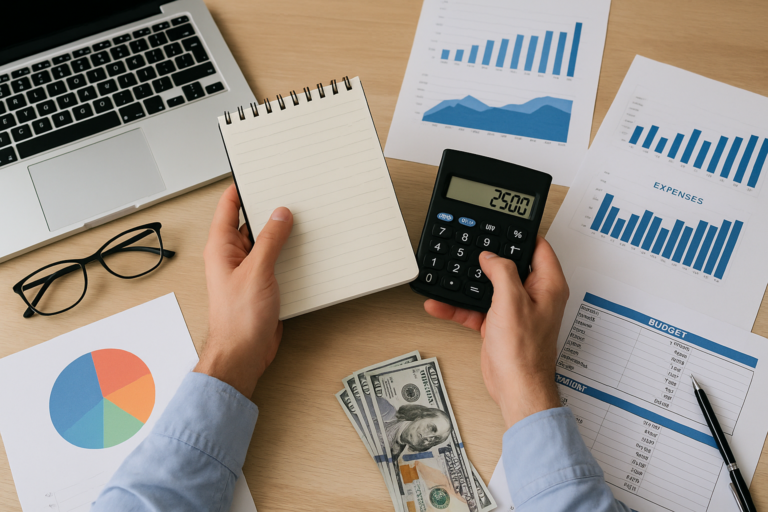
In the face of economic fluctuations, safeguarding personal finances in the United States has become more crucial than ever. With the changing dynamics of global markets, unexpected economic downturns, and increasing living expenses, it’s essential to be proactive about financial stability. Implementing smart strategies can help individuals shield their assets and ensure a stable future, despite economic uncertainties.
Economic fluctuations demand a resilient financial strategy that not only addresses immediate needs but also prepares for long-term goals. In times of economic instability, adopting a comprehensive approach to manage personal finances becomes imperative. By leveraging strategic planning and taking advantage of various financial tools, you can mitigate risks and build a robust financial foundation.
Building a resilient financial plan

Creating a solid financial plan is a fundamental step in protecting your assets against economic fluctuations. Start by setting clear financial goals that cater to both short-term necessities and long-term aspirations. A well-defined plan can provide a clear roadmap towards financial security, even when economic conditions are unstable. Adjust your plan periodically to reflect changes in the economic landscape and personal circumstances.
Budgeting plays a crucial role in any effective financial strategy. By tracking income and expenses, you gain a clear picture of your financial health. This allows you to make adjustments swiftly, ensuring you can cover essential expenses and allocate funds towards your savings. Being diligent about your budget helps maintain financial stability during unpredictable economic times. Consider using budgeting apps or software to streamline this process and enhance your planning efforts.
Incorporating emergency savings into your financial plan is indispensable. Ideally, aim to save at least three to six months’ worth of living expenses in an easily accessible account. This emergency fund acts as a safety net during economic fluctuations, securing your ability to meet financial obligations without resorting to credit. Regular contributions to this fund can ensure you are prepared for sudden financial challenges.
Diversifying income sources
Diversification is a powerful strategy to protect against economic volatility. Relying solely on one income source increases vulnerability during economic downturns. Exploring additional income streams can provide a cushion against instability. This could involve freelance work, part-time jobs, or investing in stocks that yield dividends. Having multiple income sources enhances financial resilience.
Investment diversification is equally important. Allocating your assets across a range of investments can mitigate risks posed by market fluctuations. Consider spreading investments across different sectors and asset classes, such as stocks, bonds, and real estate. By diversifying effectively, you safeguard your investments from losses in any single sector, while potentially capitalizing on various growth opportunities.
Boosting income potential through skill development is also valuable. Enhancing your skills or acquiring new ones can open doors to higher-paying job opportunities. This proactive approach ensures you’re prepared for shifts in the job market, maintaining or even increasing your earning capacity in uncertain times.
Leveraging financial tools
Utilizing financial tools and services can significantly enhance your ability to weather economic fluctuations. Financial advisors provide tailored advice and strategies to align with your personal goals and the prevailing economic environment. Their expertise can prove invaluable in navigating complex financial challenges and making informed investment decisions.
Automated investment platforms, often referred to as robo-advisors, can simplify investment management. These platforms use algorithms to create a diversified investment portfolio aligned with your risk tolerance and financial goals. Automated rebalancing ensures your portfolio stays on track, removing emotional decision-making during volatile market conditions.
Insurance is another vital financial tool to consider. Adequate coverage protects against unforeseen events that could jeopardize your financial stability. Evaluate your current policies and consider whether additional coverage might be necessary, particularly in health, property, and life insurance.
Managing debt amid economic fluctuations
Debt management is crucial when navigating economic uncertainties. High-interest debt can quickly become unmanageable during financial hardships. Prioritize paying down debts with the highest interest rates to minimize long-term financial strain. Set up a debt repayment plan that aligns with your budget while leaving room for savings.
Consolidating debt can also provide relief by simplifying payments and potentially lowering interest rates. Consider negotiating with creditors for better terms or exploring balance transfer options. Compile a debt management strategy that includes a timeline and clear objectives to maintain control over your financial obligations.
Maintaining a healthy credit score is essential for financial stability. Regularly monitor your credit report for inaccuracies and take corrective actions promptly. A good credit score enhances your ability to secure favorable loan terms and interest rates, which is particularly beneficial during economic fluctuations.
Emphasizing financial literacy
Increasing financial literacy is vital for making informed decisions that protect against economic turmoil. Educate yourself on topics such as budgeting, investing, and financial planning through books, online courses, and workshops. Continued learning ensures you stay informed about economic trends and financial strategies.
Networking with financially savvy peers can also boost your understanding and expose you to new ideas and strategies. Engaging in financial discussion groups or attending seminars provides insights into best practices, helping you adapt and refine your financial strategies accordingly.
Finally, staying updated on economic news and forecasts is essential. Understanding the factors driving economic fluctuations allows you to anticipate changes and adjust your financial strategies accordingly, ensuring your financial plans remain robust and effective.