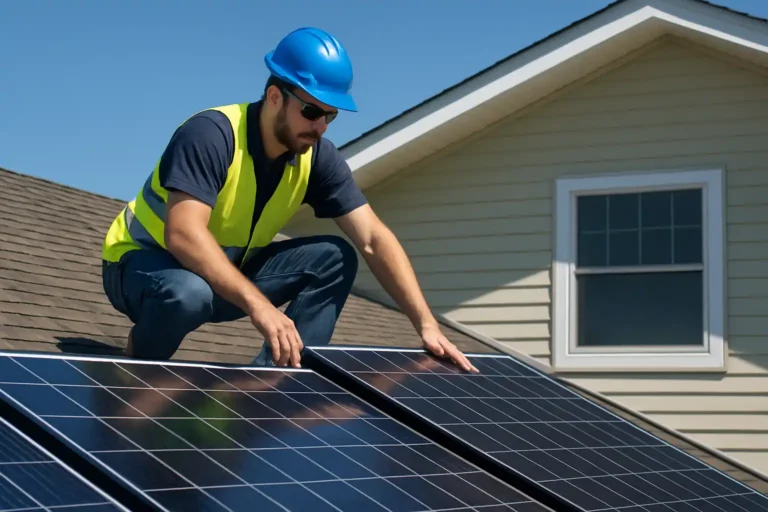
Residential solar loans are an innovative and sustainable way to finance solar panel installations, offering U.S. homeowners the opportunity to reduce energy costs while contributing to environmental sustainability. Instead of facing hefty upfront costs, these loans provide a manageable financial solution that aligns with the growing trend of renewable energy adoption.
The increasing popularity of solar energy systems is driven by both economic and ecological factors. As utility prices continue to rise, more homeowners are seeking sustainable alternatives to traditional energy sources. Residential solar loans provide an accessible pathway to home energy independence, allowing users to invest in clean energy without the initial expense.
The mechanics of residential solar loans

Residential solar loans operate similarly to other home improvement loans, allowing homeowners to borrow the necessary funds to purchase and install solar energy systems. These loans are structured to offer flexible terms, often featuring lower interest rates compared to unsecured loans. By covering the upfront costs, residential solar loans make solar energy achievable for more households.
Understanding the types of residential solar loans available can help in making informed financial decisions. Options typically include secured and unsecured loans, with terms ranging from 5 to 25 years. Secured loans might offer better rates because they use the solar system or home equity as collateral. In contrast, unsecured loans, while sometimes easier to obtain, might come with higher interest rates.
Financial and environmental benefits
Residential solar loans offer several key benefits, both financial and environmental. On the financial side, homeowners can enjoy gradual savings on energy bills, often starting immediately after installation. The predictable nature of these savings is a major draw, particularly in regions with volatile energy prices.
From an environmental perspective, solar energy significantly reduces carbon footprint and reliance on fossil fuels. Switching to solar aids in combating climate change by reducing greenhouse gas emissions, fostering a cleaner and more sustainable environment. The adoption of residential solar systems aligns with broader sustainability goals, helping to protect the planet while supporting economic growth through job creation in the renewable energy sector.
Choosing the right loan for solar investment
Selecting the right residential solar loan is crucial for maximizing the benefits of solar energy. Homeowners should consider their financial situation, credit score, and long-term energy needs when evaluating loan options. Conducting thorough research on different lenders and loan terms can uncover options that offer the best balance of interest rates and repayment flexibility.
Engaging with a solar financing expert can help in navigating the complexities of residential solar loans. They can provide personalized advice tailored to specific goals and financial situations. Additionally, taking advantage of state and federal incentives can further reduce the net cost of solar installations, making the transition smoother and more affordable.
Practical steps to secure a loan
Securing a residential solar loan involves a series of practical steps to ensure a seamless transition to solar energy. Start by assessing your home’s energy needs and exploring different solar solutions. This information is critical when discussing loan options with lenders. Prepare your financial documents, such as credit reports and proof of income, as these will be necessary for loan approval.
After gathering the necessary documents, engage with a reputable lender specializing in solar financing. Compare offers based on interest rates, loan terms, and any additional fees that might apply. Don’t forget to consider government incentives or local programs that might influence your decision.
Conclusion: a bright future with solar loans
Residential solar loans present a powerful opportunity to invest in sustainable energy while reaping significant financial benefits. By overcoming the initial cost barrier, these loans make solar energy accessible to broader demographics.
The transition to solar energy, supported by well-structured financing options, promises not only reduced utility bills but also a considerable positive impact on the environment. As residential solar loans evolve, they will play an increasingly vital role in promoting clean energy adoption across the United States, fostering a brighter and more sustainable future for all.