Urban gentrification has become a buzzword in recent years, captivating discussions around the transformation of neighborhoods and its impact on real estate prices in the US. This phenomenon involves the revitalization of urban areas, often leading to increased property values and a shift in the community’s socioeconomic landscape.
Understanding how these changes are altering the housing market is essential for prospective homeowners, investors, and policymakers. In this article, we delve into the ways urban renewal is reshaping property costs across the nation. By examining the repercussions on different stakeholders, we can gain a clearer picture of its broader implications.
The rise of urban renewal projects

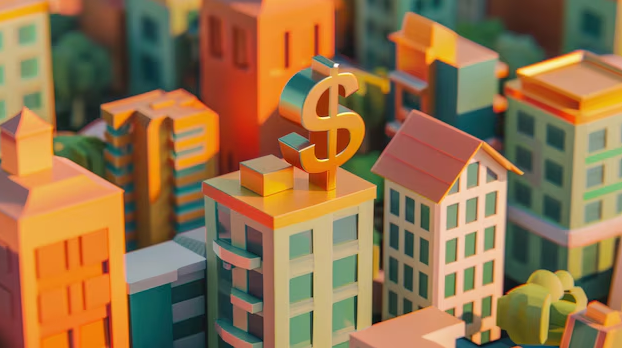
In many major cities, initiatives to revitalize aging neighborhoods have gained momentum. These projects often involve renovating run-down properties, improving infrastructure, and attracting new businesses. As a result, formerly neglected areas begin to flourish, drawing in a higher-income demographic. This influx of wealthier residents drives up demand for housing and subsequently increases property values.
Urban renewal projects are not limited to residential properties; commercial developments also benefit from this trend. New shops, restaurants, and office spaces increase the area’s appeal, further bolstering real estate prices. As these enhancements take root, the distinction between upscale and less affluent neighborhoods becomes more pronounced.
However, this surge in property values creates a ripple effect, influencing not only current homeowners but also renters who may find themselves priced out of their communities. The collateral consequences of urban renewal are both positive and challenging, demanding a balanced approach to development policies.
The role of local governments
Local governments play a crucial role in facilitating urban revitalization. Through various incentives, such as tax breaks and grants, municipalities encourage developers to invest in run-down areas. These incentives aim to stimulate economic growth, improve housing conditions, and attract a diverse mixture of residents.
As municipalities invest in public infrastructure and amenities, the desirability of these areas increases. Improved public transportation, parks, and community centers contribute significantly to the upward trajectory of property prices. This governmental support, combined with private investments, fuels a cycle of growth and development.
Nevertheless, this involvement must be carefully managed to ensure that the benefits of revitalization are equitably distributed. Policymakers need to address the risks of displacement and gentrification, ensuring that affordable housing options remain available for existing residents.
Financial implications for homeowners
For homeowners, the effects of neighborhood renewal can be particularly beneficial. As property values rise, so does the equity in their homes, providing them with greater financial security. Homeowners might also see an increase in market interest, making it easier to sell their properties at a higher price.
Increased property values may also result in higher property taxes. While this can be seen as an investment in community improvements, it can also strain long-term residents who may be on fixed incomes. Thus, it’s crucial for local governments to consider the financial burdens that come with these changes.
Investment opportunities in gentrifying areas
The trend towards reinvigorated urban areas presents numerous opportunities for investors. Real estate in these locales can offer substantial returns as property values continue to rise. Savvy investors often look for undervalued properties in burgeoning neighborhoods, aiming to capitalize on future growth.
However, investment in these areas is not without risks. Market volatility, regulatory changes, and community resistance are factors that can influence the success of urban investments. Hence, comprehensive market analysis and a thorough understanding of local dynamics are critical for mitigating potential pitfalls.
Investors must also consider the ethical implications of their activities. Prioritizing developments that benefit all residents, rather than displacing low-income communities, can lead to more sustainable growth and community stability.
The appeal of mixed-use developments
Mixed-use developments, which combine residential, commercial, and recreational spaces, are particularly popular in revitalizing areas. These projects cater to modern living preferences, reducing the need for long commutes and fostering a sense of community. Designing spaces that seamlessly integrate various functions can make neighborhoods more vibrant and attractive, leading to higher property values.
These developments often become focal points for social activity, enhancing the quality of life for residents. For investors, mixed-use projects offer diversified revenue streams through leasing to various tenants. This multiplicity can provide a buffer against market fluctuations, contributing to more stable and enduring investments.
The future of urban development
As cities continue to evolve, the future of urban development will likely hinge on sustainable practices and inclusive growth. Efforts to balance the benefits of gentrification with the needs of existing residents are paramount. Innovative urban planning, including green spaces and energy-efficient buildings, will shape the next wave of city development.
These advancements aim to create livable, resilient communities that can adapt to changing economic and environmental conditions. Ultimately, the success of urban renewal efforts depends on the collaboration between governments, developers, and communities, ensuring that the rewards of progress are shared equitably among all stakeholders.