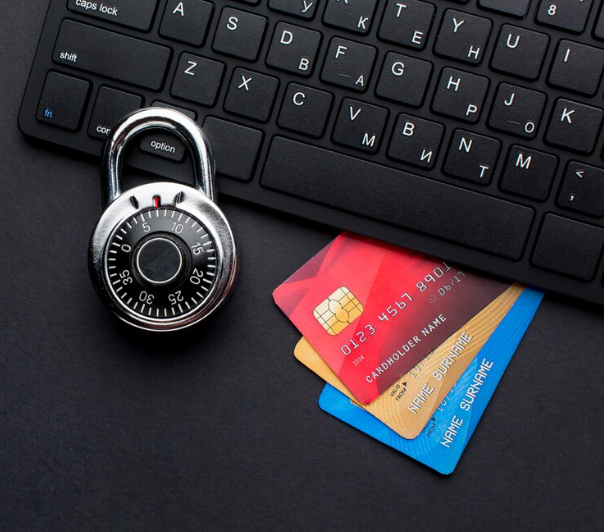
In today’s digital age, protecting your information during debit card transactions is paramount. With increasing cyber threats, it is essential to prioritize security measures when conducting financial activities. In this blog post, we’ll explore various tips and practices to safeguard your data while using debit cards in the USA.
By implementing these security practices, you can significantly reduce the risk of fraud and unauthorized access to your financial information. Staying informed about the latest security technologies and regularly monitoring your account for suspicious activities can further enhance your protection. Remember, proactive measures are the key to ensuring your financial safety in an increasingly digital world.
Understanding the risks involved

Debit card transactions can expose you to various risks, including identity theft and unauthorized access to your funds. Understanding these risks is the first step in protecting yourself. Cybercriminals often employ techniques such as phishing, skimming, and hacking to gain access to sensitive information.
Skimming is a common method where criminals use a device to capture card details whenever a card is swiped at a compromised machine. Phishing attacks involve tricking individuals into providing their personal information through fake websites or emails. Knowing these tactics can help you stay vigilant.
Additionally, public Wi-Fi networks pose a significant threat. These networks are often unsecured, making it easier for hackers to intercept your data. Always be cautious when accessing your financial accounts over public Wi-Fi.
Use strong and unique passwords
Creating strong and unique passwords for online banking and payment services can greatly enhance your security. Avoid using easily guessable information such as birthdays or common words. Opt for a combination of letters, numbers, and special characters.
Consider using a password manager to store and generate complex passwords. A password manager can help you avoid the temptation of reusing passwords across different platforms. Remember to update your passwords regularly to minimize risks.
In addition to strong passwords, enable two-factor authentication (2FA) on your accounts. 2FA provides an additional layer of security by requiring a second form of verification, such as a code sent to your mobile device.
Monitor your account regularly
Regularly monitoring your debit card account is crucial for identifying any suspicious activity promptly. Check your account statements and transaction history frequently to ensure all charges are legitimate. Set up account alerts to receive notifications of any significant transactions.
Most banks and financial institutions offer this service for free. Alerts can help you react quickly to unauthorized activities. If you notice any unfamiliar transactions, report them to your bank immediately. The faster you act, the more likely you are to prevent further damage and recover lost funds.
Best practices for secure transactions
Practicing secure transaction habits is vital for protecting your information. Start by using ATMs and card readers from reputable sources only. Avoid standalone machines that look tampered with or out of place. When making online purchases, shop on trusted websites with a secure payment gateway. Look for HTTPS in the URL and a padlock symbol in the browser’s address bar.
These indicators suggest that the site encrypts your data during transmission. Avoid storing your debit card information on websites or apps unless absolutely necessary. While it may provide convenience, it also exposes you to additional risks if the platform experiences a data breach.
Keep software and devices updated
Keeping your devices and software updated is an often overlooked yet crucial aspect of security. Software updates often include patches for security vulnerabilities that have been identified. Ensure that your computer, smartphone, and any apps you use for banking or shopping are up to date.
Set your devices to update automatically whenever possible. Additionally, install antivirus and antimalware software on your devices. These programs can help detect and remove malicious software that could compromise your data.
Be wary of phishing scams
Phishing scams are designed to trick you into providing personal and financial information. Be cautious of unsolicited emails, text messages, or phone calls asking for sensitive details. Legitimate organizations will never ask for your debit card number, PIN, or password through these channels. Always verify the authenticity of any communication before responding.
If you receive a suspicious email or message, do not click on any links or download attachments. Report the incident to your bank or financial institution immediately. Additionally, ensure that you delete the email or message to prevent accidental interaction in the future.
Protecting your data in debit card transactions is a continual effort that requires vigilance and proactive measures. By understanding the risks involved and adopting best practices, you can significantly reduce the chances of falling victim to fraud.
Start by using strong, unique passwords and enabling two-factor authentication. Monitor your accounts regularly and be cautious with where and how you use your card. Remember, keeping your software updated and staying alert to phishing scams are vital components of a robust security strategy. Prioritizing these steps will help ensure the safety of your financial information.