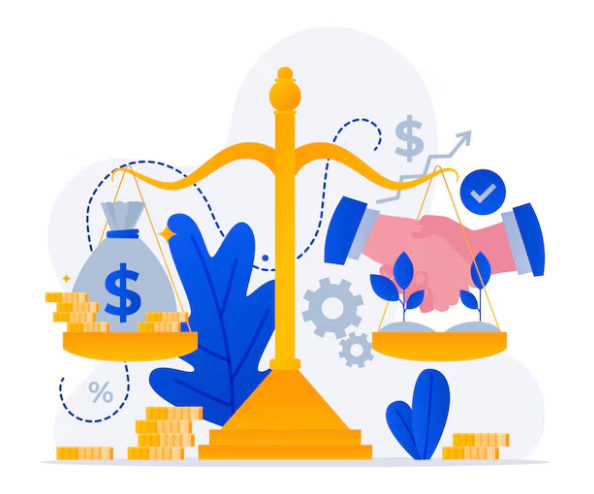
Social justice movements are increasingly playing a crucial role in shaping investment policies across the United States. In recent years, societal demands for greater equity, inclusivity, and sustainability have prompted investors to reevaluate their strategies and allocate resources in a way that aligns with these values.
Investors, from individuals to large institutions, are now more conscious of the social impacts of their portfolios. They seek to support companies and initiatives that promote fairness and address systemic inequalities. The rise of Environmental, Social, and Governance (ESG) criteria underscores this trend, further cementing the influence of social activism on financial decision-making.
The rise of ESG investing

In the pursuit of aligning investments with ethical considerations, ESG investing has gained significant traction. ESG criteria encompass environmental, social, and governance factors that investors use to screen potential opportunities. Social justice movements have highlighted the necessity for investment practices that take into account not only profitability but also societal well-being.
These standards push businesses to uphold higher ethical conduct, manage resources efficiently, foster a diverse workforce, and contribute positively to society. The emphasis on these factors ensures investments are sustainable in the long term and resonate with the growing demand for responsible corporate behavior.
Impact on corporate policies
The influence of social justice movements extends beyond individual investment choices to affect corporate policies as well. Companies are increasingly aware that ignoring social issues can result in reputational damage and financial losses. Therefore, many corporations are adopting policies that reflect their commitment to social responsibility.
This includes measures such as increasing diversity within their boards and workforce, implementing fair labor practices, and ensuring transparent governance. These changes not only meet the demands of conscientious investors but also enhance company resilience and appeal to a broader customer base.
Examples of change
Several notable examples illustrate how social justice advocacy is reshaping investment policies. For instance, some investment firms have pledged to divest from industries that contribute to systemic injustices, such as private prisons and fossil fuels. Instead, they are redirecting capital towards sectors that support renewable energy and social enterprises.
Philanthropic initiatives and impact investing are also on the rise, with funds specifically allocated to projects that benefit marginalized communities or address pressing social issues. This strategic redirection of investments is a testament to the growing commitment to foster societal equity and sustainability.
Challenges and opportunities
While the integration of social justice considerations into investment policies offers numerous benefits, it is not without challenges. One significant obstacle is the difficulty in measuring the impact of ESG factors accurately. Standardizing metrics across different regions and industries remains a complex task.
Moreover, there is often a tension between short-term financial returns and long-term social benefits. Investors and corporations must navigate these competing priorities to achieve a balance that aligns with their values and financial objectives. Despite these challenges, the shift towards socially responsible investing opens up unique opportunities for innovation and growth.
As awareness and availability of ESG data improve, investors can make better-informed decisions, encouraging more businesses to adopt ethical practices. This ongoing evolution presents a promising future where financial success and social justice are inextricably linked.
The role of regulation
Government policies and regulations play a crucial role in facilitating the integration of social justice in investment strategies. Regulatory frameworks that mandate transparency and accountability in corporate governance can accelerate the adoption of ESG practices across various sectors. Encouraging or requiring businesses to report on their ESG performance helps establish a baseline and promotes continuous improvement.
Governments can also incentivize investments in socially beneficial projects through tax breaks or grants, further aligning public and private goals. Thus, carefully crafted regulatory measures can provide the necessary support and structure to ensure that the push for social justice within investment policies achieves tangible and lasting impacts.
Future perspectives
Looking ahead, the influence of social justice movements on investment policies is poised to grow even stronger. As younger, socially-conscious generations become more involved in financial markets, the demand for responsible investing will likely intensify.
This shift will encourage continuous innovation in the development of financial products that cater to ethical concerns. Moreover, collaboration between different stakeholders—including investors, corporations, governments, and civil society—will be crucial in shaping a financial system that prioritizes social justice.
By working together, these entities can establish norms and practices that ensure investments contribute positively to society. Ultimately, the integration of social justice into investment strategies not only addresses current inequities but also fosters a more inclusive, sustainable, and prosperous future for all.